
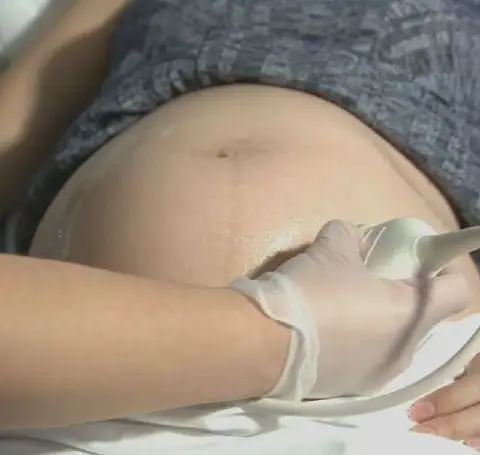

Obstetric Scans Explained for Newly Pregnant Moms – Insights Guide
A Complete, Must-Know Guide You Should Never Skip
Finding out you’re pregnant is a moment you’ll remember forever
Along with the joy, there’s often a quiet wave of questions that follows — Is my baby okay?
Am I doing everything right? Why are there so many scans?
If you’re feeling this way, take a deep breath — it’s completely normal.
“Pregnancy scans are not done to worry you; they are done to reassure you. Each obstetric scan has a specific role, a specific time, and a specific purpose, and at a trusted pregnancy scan centre in Pallavaram, these scans help doctors understand how your baby is growing, how your body is supporting the pregnancy, and whether everything is progressing safely — often before you can feel or see anything yourself.
Many first-time mothers worry about missing scans or getting them done late. That’s why this guide is written like a conversation — to help you understand which scans are done, what each one checks, and which scans you should never miss, so you can move through pregnancy feeling informed, confident, and supported.
At Insight Diagnostics & Labs, we believe that an informed mother is a confident mother. Let’s walk through your pregnancy journey together — one scan at a time
Now that you know why pregnancy scans matter, let’s walk through each important scan you’ll have — what it checks, when it’s done, and why some of them should never be missed.”
Dating Scan – The Scan That Sets Everything in Place
(6 to 9 weeks of pregnancy)
This is usually the very first scan you’ll have after seeing those two lines on the test. For many parents, this is the moment pregnancy truly feels real — because this is often when you see your baby for the first time and hear that tiny heartbeat
What this scan is all about:
The dating scan confirms that the pregnancy is growing in the right place (inside the uterus) and helps your doctor accurately calculate how far along you are. It also checks whether you’re carrying one baby or more.
Why doctors insist on this scan:
Not everyone ovulates on the same day, and periods aren’t always regular. This scan gives the most accurate due date, which is important because every future scan and screening depends on correct dating.
Scan you should never miss: Yes
Missing this scan can lead to confusion in later screenings and incorrect pregnancy timelines.
NT Scan – An Early Reassurance Scan
(11 weeks to 13 weeks + 6 days)
By this time, your baby has already started forming major organs. The NT scan gently measures a small fluid space behind your baby’s neck — something you can’t feel but doctors can assess on ultrasound.
What this scan helps with:
It estimates the risk of chromosomal conditions such as Down syndrome. It’s important to remember that this scan does not diagnose anything — it simply tells doctors whether further tests are needed.
Why timing matters:
This scan can only be done within a very specific window. If it’s missed, the opportunity for first-trimester risk assessment is lost.
Scan you should never miss: Yes
Especially important for first-time mothers and pregnancies above 30 years.
NT Scan with Double Marker Screening – Added Confidence Early On
(First-trimester combined screening)
This test combines the NT scan with a simple blood test. Together, they give a clearer picture of your baby’s chromosomal health.
Why doctors recommend this combination:
Blood markers provide additional information that ultrasound alone cannot. When combined, the accuracy of early screening improves significantly, giving parents either reassurance or timely guidance.
Scan you should never miss: Highly recommended
This is one of the most trusted early pregnancy screenings worldwide.
Anomaly Scan – The Most Important Mid-Pregnancy Scan
(18 to 22 weeks)
If there is one scan every expecting mother should prioritize, this is it.
During the anomaly scan, the radiologist carefully examines your baby from head to toe — checking the brain, spine, heart, kidneys, limbs, and more. This scan takes time, and that’s a good thing — it means everything is being looked at closely.
Why this scan matters so much:
Many structural conditions can only be detected at this stage. Identifying them early allows doctors and parents to plan the best possible care.
Scan you should never miss: Absolutely yes
This scan plays a key role in ensuring a safe and informed pregnancy journey.
Anomaly Scan with Triple or Quadruple Screening – When Extra Screening Is Needed
Sometimes, doctors advise combining the anomaly scan with a blood test for added clarity.
What these screenings help with:
They assess the risk of chromosomal abnormalities and neural tube defects, especially when earlier screenings were missed or results need further confirmation.
Scan you should never miss: Strongly advised (when recommended by your doctor)
Fetal Doppler Scan – Checking How Well Baby Is Being Nourished
(Usually after 28 weeks)
As your baby grows, it’s important to check how efficiently blood and oxygen are reaching them. That’s what a Doppler scan does.
Why this scan is important:
It helps doctors understand placental function and detect growth concerns early — especially in high-risk pregnancies like diabetes or high blood pressure.
Scan you should never miss: Yes, for high-risk pregnancies
This scan often helps decide the safest time for delivery.
Fetal Echocardiography – A Detailed Look at Baby’s Heart
(22 to 26 weeks)
This specialised scan focuses entirely on the baby’s heart structure and rhythm.
When it is recommended:
If there’s a family history of heart issues, maternal diabetes, IVF pregnancy, or an abnormality seen in earlier scans.
Scan you should never miss: If advised
Early detection can make a significant difference after birth.
Growth Scan – Making Sure Baby Is Growing Just Right
(28 to 36 weeks)
This scan checks whether your baby’s growth matches the expected stage of pregnancy.
What doctors assess:
Baby’s weight, measurements, placental maturity, and fluid levels — all important indicators of well-being.
Scan you should never miss: Yes
It helps identify growth concerns early and ensures timely care.
AFI Screening – Checking Baby’s Comfort Inside the Womb
Amniotic fluid plays a big role in your baby’s development and movement.
Why this screening matters:
Too little or too much fluid can cause complications if left unchecked.
Scan you should never miss: Yes
Especially in the third trimester.
Fetal Heart Rate Screening – A Simple Yet Reassuring Check
This screening ensures your baby’s heart rhythm is steady and healthy.
When it’s done:
During routine visits, especially in late pregnancy or when movements feel reduced.
Scan you should never miss: Yes
It provides immediate reassurance about your baby’s well-being.
“Am I on Track?” – Pregnancy Scan Timeline at a Glance
Not sure if you’ve completed all the right scans so far? Use this quick checklist to stay on track.
- • 6–9 weeks: Dating Scan
- • 11–13+6 weeks: NT Scan ± Double Marker
- • 18–22 weeks: Anomaly Scan
- • 22–26 weeks: Fetal Echo (if advised)
- • 28–36 weeks: Growth Scan
- • After 28 weeks: Doppler, AFI & Heart Rate Screening
If you’re unsure about any scan, don’t panic — your doctor or our team can guide you on what can still be done.
“What If I Miss a Scan?” – A Common Worry, Honestly Answered
Many moms worry about this — and it’s okay.
Missing a scan doesn’t mean something is wrong, but some scans have specific time windows. If one is missed:
- • Your doctor may suggest an alternative screening
- • Additional monitoring may be advised later
- • Early detection opportunities might be limited
The best step is not to stress, but to consult early and plan the next best scan.
How These Scans Actually Help Your Doctor Help You
Pregnancy scans are not done in isolation. Each scan:
- • Builds on information from the previous one
- • Helps doctors plan nutrition, monitoring, and delivery
- • Allows early action instead of emergency decisions
In simple terms: scans help doctors stay one step ahead.
A Gentle Reminder for First-Time Moms
It’s okay if:
- • You feel nervous before a scan
- • You don’t understand everything immediately
- • You have questions after the scan
Ask. Clarify. Take your time.
A good diagnostic centre will explain, reassure, and support, not rush you.
At Insight Diagnostics & Labs, we believe a calm mother contributes to a healthier pregnancy.
Final Words & A Gentle Disclaimer for Every Expecting Mom
Every pregnancy is unique — and so is every mother, every baby, and every scan result. The information shared in this guide is general in nature, created to help you understand the purpose of common obstetric scans and reduce anxiety. It is not a substitute for personalised medical advice.
Your age, medical history, lifestyle, previous pregnancies, and even how your baby is growing inside the womb can influence which scans you need, when you need them, and how often they should be done. What is essential for one mother may be optional or timed differently for another — and that’s completely normal.
That’s why it’s always best to speak with experienced professionals who can guide you based on your pregnancy, not just general guidelines.
At Insight Diagnostics & Labs, a trusted pregnancy scan centre in Pallavaram, we don’t believe in one-size-fits-all pregnancy care. We take the time to understand you, your concerns, and your doctor’s recommendations — and then help you choose the right scans at the right time, with clarity and confidence.
- If you’re unsure about a scan
- If you’ve missed one and feel worried
- If you simply want reassurance about your baby’s growth
Reach out to us. We’re here to guide you, explain every detail, and support you through this beautiful journey — one scan, one heartbeat, and one caring conversation at a time.
Because when a mother feels informed and supported, both mom and baby thrive

